
The Short Answer
Per-asset pricing charges the same monthly fee for a truck that drives 40,000 miles a year and a utility trailer that sits in the yard for eight months. For trucking fleets running mostly powered, revenue-generating vehicles, that model is a reasonable approximation of value. For construction fleets running a mix of trucks, trailers, generators, and heavy equipment — where a large share of assets are seasonal, backup, or project-specific — per-asset pricing from vendors like Fleetio and Whip Around can inflate the effective cost of compliance software by 30% to 60% or more, once you count everything sitting idle in the yard.
This article breaks down why that happens, compares Fleetio and Whip Around honestly on their published capabilities, and explains what construction and mixed-fleet operators should actually evaluate before signing a multi-year contract priced per asset.
Consider a mid-sized construction company running 20 trucks, 50 trailers, 15 generators, 10 excavators, and 30 small equipment units — bobcats, compactors, light towers, and similar gear. That is 125 trackable assets. Under a strict per-asset SaaS pricing model, every one of those 125 units carries a license fee, regardless of whether it moved once this month or every single day.
The trucks are unambiguously worth the license — they are the revenue engine, and they need DVIRs, ELD compliance, and maintenance tracking every day they run. But 50 trailers do not all roll out daily. A dozen sit at a finished job site awaiting pickup. A handful are seasonal — snow equipment trailers idle from May through October, or landscaping trailers idle in winter. Several generators are backup units that start twice a year for testing. Some of the small equipment sits in a lay-down yard between projects for months.
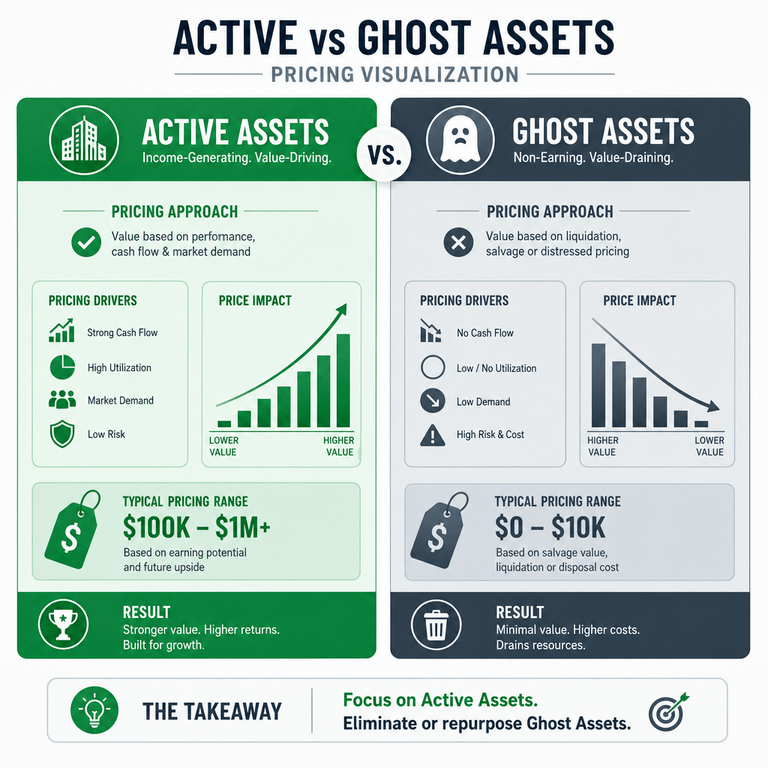
None of that changes what the software bill looks like. A vendor charging per asset bills the idle trailer identically to the truck that drove 3,000 miles this week. That mismatch between asset count and operational value is the pricing trap this article examines — and it is the reason so many construction fleet managers feel like their fleet software costs keep climbing even when their active fleet size does not.
Key Takeaways
- Per-asset pricing treats every tracked unit as equally valuable, but construction fleets typically have a large share of trailers, generators, and small equipment that sit idle for weeks or months — creating "ghost asset" costs.
- Fleetio and Whip Around both publish per-asset, tiered monthly pricing on their websites. Neither vendor is misrepresenting its model; the trap is in how that model interacts with mixed, seasonal fleets rather than in the pricing itself.
- Trucks and heavy equipment need fundamentally different inspection templates. A DVIR built for brakes, tires, and lights does not capture hydraulic leaks, attachment wear, or track condition on an excavator.
- The real evaluation question isn't "which software has more features." It's whether the pricing model, the inspection templates, and the hardware requirements match how a mixed construction fleet actually operates.
- Running the numbers on your own asset mix — active vs. idle, powered vs. non-powered — usually reveals the true cost gap faster than any vendor comparison chart.
Why Construction Fleets Are Different From Traditional Commercial Fleets
Construction fleets are structurally different from over-the-road trucking fleets because they combine powered vehicles, unpowered trailers, and heavy equipment under one operation — and asset count in a construction fleet has almost no correlation with how much revenue or risk that asset generates. A trucking fleet's 40 tractors are its business. A construction company's 125 assets might include only 20 units doing daily, revenue-critical work.
Traditional fleet management software — including much of what Fleetio, Whip Around, Motive, and Samsara originally built — was designed around a simpler assumption: every tracked unit is a powered vehicle that moves regularly, needs a DVIR before each trip, and generates mileage or engine-hour data continuously. That assumption holds reasonably well for a trucking company or a delivery fleet. It breaks down for construction operations in several specific ways.
Utilization patterns vary enormously by asset type
A dump truck might run five days a week, year-round. A concrete trailer might move only when a specific pour is scheduled. A backup generator might run twice a year for a required load test. A skid steer might sit at a single job site for six weeks, then go to storage for six months before the next project needs it. Averaging utilization across "all fleet assets" produces a meaningless number, but per-asset pricing effectively forces exactly that average.
Maintenance frequency and inspection requirements differ by category
Powered vehicles operating on public roads fall under FMCSA's inspection and maintenance framework — 49 CFR Part 396 requires systematic inspection, repair, and maintenance records for commercial motor vehicles. Off-road heavy equipment, by contrast, is governed primarily by OSHA construction standards covering mechanized equipment and powered industrial trucks, not FMCSA's DVIR rules. A single inspection framework rarely serves both categories well without significant customization.
Assets move with projects, not with a fixed home base
A trucking fleet's vehicles typically return to a central yard. Construction assets follow the job: a trailer might sit at Site A for the duration of a phase, then move to Site B, then go into storage between contracts. Tracking software needs to handle assets that are technically "in the fleet" but operationally dormant for extended stretches — a scenario that per-asset billing does not distinguish from active daily use.
None of this means construction fleets don't need software. It means the pricing and inspection model has to match how assets are actually used — and that is precisely where the per-asset trap begins.
Understanding the Per-Asset Pricing Trap
Per-asset pricing means a software vendor charges a fixed monthly fee for every unit added to the platform, regardless of how often that unit is used, whether it generates revenue, or whether it is even in active service that month. It is a simple, easy-to-understand billing model — and it is the industry standard among fleet management and inspection platforms. The trap is not dishonesty in the pricing; it is a structural mismatch between "asset count" and "operational value" for any fleet that isn't overwhelmingly powered vehicles in daily use.
The table below illustrates the mismatch using the example construction fleet described earlier — a mix of revenue-critical vehicles, medium-utilization trailers, seasonal equipment, and rarely used backup assets.
| Asset Type | Typical Revenue Activity | Typical Utilization | Software Cost Impact Under Per-Asset Billing |
|---|---|---|---|
| Tractor / dump truck | High | Daily, most of the year | Full license — proportionate to value delivered |
| Utility / equipment trailer | Medium to low | Intermittent, project-dependent | Full license — often disproportionate to actual use |
| Backup generator | Seasonal or standby | A few days per year (testing, peak season) | Full license — paid year-round for occasional use |
| Excavator / heavy equipment | High when deployed | Project-based; idle between contracts | Full license — cost continues through idle periods |
| Spare / backup small equipment | Low | Rarely used; held in reserve | Full license — lowest utilization, same price as a daily-use truck |
Two structural effects follow from this table. First, a fleet's total software bill grows every time it adds an asset for tracking or compliance purposes — including assets that were purchased specifically because they are used infrequently (backup generators exist precisely so they are not needed often). Second, the incentive this creates is perverse: fleet managers sometimes leave inactive or seasonal assets off the inspection platform entirely to avoid the extra license cost, which quietly recreates the compliance and safety gaps the software was bought to close in the first place. A generator or trailer that isn't in the system doesn't get inspected on schedule, doesn't build maintenance history, and becomes invisible exactly when an OSHA inspector, an insurance auditor, or an incident investigation asks for its records.
That is the real cost of the per-asset trap. It isn't just the extra invoice line — it's the operational gap it creates when fleets respond to the invoice by under-tracking their own equipment.
Fleetio vs. Whip Around vs. pti4you.com: An Honest Comparison for Construction Fleets
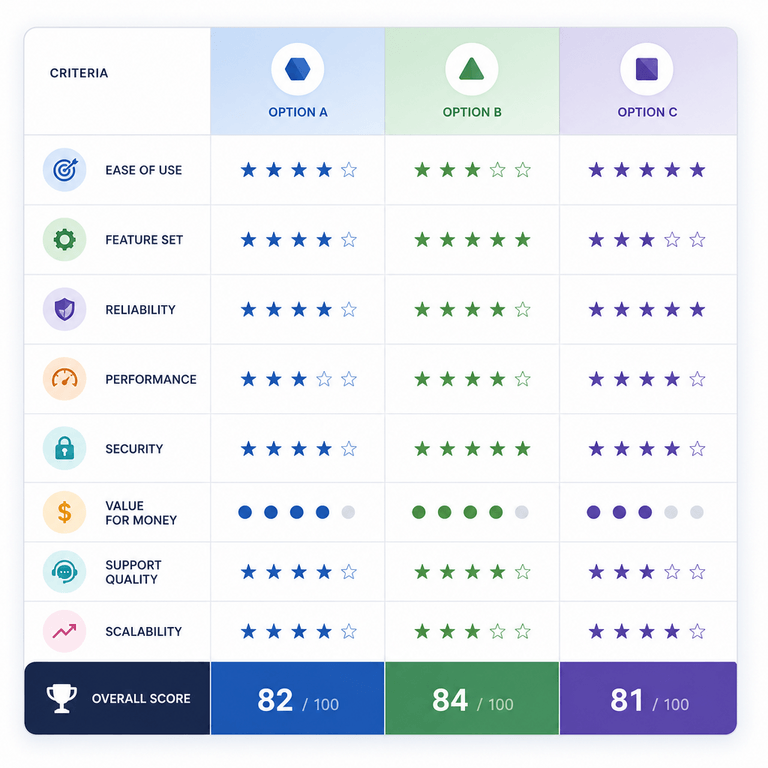
Fleetio and Whip Around are both established, capable fleet software platforms with genuine strengths — this comparison is not an argument that either product is poorly built. The distinction that matters for construction and mixed-asset fleets is how each platform's pricing model, inspection framework, and hardware approach handle a fleet where a meaningful share of assets are non-powered, seasonal, or intermittently used.
| Category | Fleetio | Whip Around | pti4you.com |
|---|---|---|---|
| Pricing model | Tiered, published per-asset monthly pricing on its website | Published per-asset monthly pricing on its website | Flat, subscription-based pricing not billed per individual asset |
| Asset scalability for mixed fleets | Scales, but cost grows linearly with every asset added, active or idle | Scales, with the same linear per-asset growth pattern | Designed so adding trailers, generators, or spare equipment does not multiply the bill per unit |
| Mixed fleet support (trucks + trailers + equipment) | Supports non-powered and equipment assets as trackable units within its CMMS | Supports adding any asset type for inspection tracking | Built specifically around inspecting a mixed roster of vehicles, trailers, and equipment on one plan |
| Heavy equipment inspection support | Custom inspection forms available; not equipment-specific out of the box | Fully customizable digital inspection forms, including non-vehicle assets | Custom inspection templates built for hydraulics, attachments, and non-DOT equipment checks |
| DVIR capabilities | DVIR and inspection workflows integrated into its maintenance management system | Core strength — inspection-first product built around DVIR and defect workflows | DOT-compliant digital DVIR with GPS timestamps, photo evidence, and repair verification |
| Maintenance tracking | Strong — mature work order, parts inventory, and service history system | Defect-to-work-order workflow; less focused on parts/inventory management | Maintenance history and recurring defect tracking tied directly to inspection records |
| Compliance workflows | Supports DOT compliance features alongside its maintenance management core | Strong compliance and audit trail focus, built around inspection completion | Compliance reporting and audit-ready documentation built around 49 CFR Part 396 |
| Hardware requirement | Software-only; integrates with third-party telematics hardware if desired | Software-only; mobile-first, no proprietary hardware | Hardware-agnostic; runs on any driver or technician's existing phone or tablet |
| BYOD support | Yes, via mobile app | Yes, mobile app is central to the product | Yes, BYOD by design — no company-issued devices required |
| Construction suitability | Well-suited to fleets with in-house shops managing high-utilization vehicle fleets | Well-suited to fleets prioritizing inspection compliance and defect discipline | Positioned for mixed fleets where a large share of assets are non-daily-use |
| Small and mid-sized business suitability | Accessible tiered pricing, but per-asset cost compounds as asset count grows | Accessible tiered pricing, same per-asset compounding effect | Built for the 5–500 asset range without enterprise contract complexity |
Exact current pricing for Fleetio and Whip Around is published on each vendor's own website and changes over time; readers evaluating either platform should confirm current tiers directly with the vendor rather than relying on any third-party estimate, including this one. What does not change between pricing updates is the underlying billing structure — both platforms charge per tracked asset, which is the mechanism this article is examining.
Fleetio: Strengths and Limitations for Construction Fleets
Fleetio's core strength is maintenance management depth — it functions as a genuine computerized maintenance management system (CMMS) for fleets, and that makes it a strong fit for construction companies with an in-house shop managing a large, heavily utilized vehicle fleet.
Where Fleetio performs well
- Maintenance management. Preventive maintenance scheduling by date, mileage, or engine hours is mature, with automated service reminders tied to actual usage data.
- Asset lifecycle tracking. Fleetio tracks acquisition cost, depreciation, and total cost of ownership per asset, which is genuinely useful for capital planning across a mixed fleet.
- Parts management. Parts inventory, vendor tracking, and purchase order workflows are more developed than most inspection-first competitors offer.
- Service history. A complete, searchable service record per asset supports both maintenance planning and resale valuation.
Where the model creates friction for mixed construction fleets
- Per-asset economics. Because pricing is published per tracked unit, every trailer, generator, and piece of standby equipment added to the system adds to the monthly bill regardless of utilization — the exact mechanism this article addresses.
- Inactive asset costs. There is no published mechanism for reduced-rate tracking of seasonal or rarely used assets; a generator tested twice a year costs the same license as a daily-use truck.
- Mixed fleet complexity. Fleetio's inspection forms are customizable, but the platform's design center of gravity is powered vehicle maintenance management rather than heavy equipment inspection specifically — construction-specific checklist items typically require manual template building rather than out-of-the-box equipment templates.
None of this makes Fleetio a poor choice broadly. For a fleet where the overwhelming majority of tracked assets are in daily, revenue-generating use, the per-asset model reflects real value delivered. The friction appears specifically when a large share of the asset count is not in that category.
Whip Around: Strengths and Limitations for Construction Fleets
Whip Around's core strength is being an inspection-first, mobile-native platform — digital DVIRs, defect workflows, and inspection completion tracking are the product's design center, which makes it a strong fit for fleets whose top priority is proving that inspections happened and defects were resolved.
Where Whip Around performs well
- Digital inspections. Customizable inspection forms let fleets build checklists for different asset categories, and the mobile app experience is built specifically around the walk-around inspection use case.
- Defect workflows. Failed inspection items route into a defect management flow with photo evidence, which supports both repair tracking and compliance documentation.
- Mobile-first design. The app is built for field use on a driver's or technician's own device, with an interface optimized for quick daily completion rather than desktop-first administration.
Considerations for construction and mixed-asset operations
- Pricing model considerations. Like Fleetio, Whip Around's published pricing is per asset, which produces the same ghost-asset cost dynamic for fleets with significant idle or seasonal equipment.
- Mixed asset economics. Because every asset added for inspection tracking carries a license, fleets sometimes limit tracking to their most active assets to control cost — which undermines the compliance value of tracking the fleet comprehensively in the first place.
- Construction equipment complexity. Templates are customizable, but building out hydraulics, attachment, and heavy-equipment-specific checklists from scratch requires setup work; the platform is not pre-loaded with construction equipment inspection categories the way it is with vehicle-oriented DVIR templates.
Whip Around is a reasonable choice for fleets where inspection compliance is the primary driver and the asset mix skews toward powered vehicles. The same per-asset dynamic that affects Fleetio applies here, because it is a feature of the pricing model, not a flaw specific to either product.
Why Standard DVIR Templates Fail for Construction Equipment
Standard DVIR templates fail for heavy equipment because they were built around FMCSA's inspection categories for on-road commercial motor vehicles — brakes, tires, lights, steering, coupling devices — none of which map cleanly onto the failure points that actually matter on an excavator, skid steer, or towed generator.
A pre-trip inspection form designed for a straight truck asks a driver to check things like service brakes, parking brake, tires and wheels, steering mechanism, horn, windshield wipers, and lighting devices — the checklist categories referenced under 49 CFR Part 396 and its associated inspection guidance. That checklist is well matched to a highway vehicle. It has almost nothing to say about the failure modes that actually take heavy equipment out of service.
| Trucks (DOT-Regulated DVIR) | Heavy Equipment (Construction-Specific Inspection) |
|---|---|
| Brakes | Hydraulic system pressure and fluid leaks |
| Tires and wheels | Tracks, undercarriage, and tread wear |
| Lights and reflectors | Safety guards and interlocks |
| Steering mechanism | Attachment condition (buckets, forks, augers) |
| Coupling devices | Boom, arm, and cylinder wear points |
| Horn and mirrors | Operator controls and warning systems |
OSHA's construction standards — specifically 29 CFR 1926 Subpart O, covering motor vehicles, mechanized equipment, and marine operations — require inspection of this equipment, but the applicable safety concerns are mechanical and hydraulic rather than road-legal. A hydraulic leak, a worn track pin, a cracked safety guard, or a failing attachment pin are the failure points that cause injuries and downtime on a job site, and none of them appear on a standard highway DVIR form.
This is why forcing every asset — truck or excavator — through the same inspection template produces bad data in both directions. Drivers checking boxes that don't apply to their equipment tend to rubber-stamp the form, which is functionally the same problem as pencil-whipped inspections on the vehicle side. Meanwhile, the checks that would actually catch a hydraulic failure or a cracked attachment never get asked in the first place. Customizable inspection templates that reflect what a specific asset category actually needs — not a one-size-fits-all form — are a prerequisite for inspection data that means anything, whether that data feeds a compliance file or a predictive maintenance program.

How pti4you.com Solves Mixed Fleet Challenges
pti4you.com is a hardware-agnostic, BYOD digital inspection and compliance platform designed around exactly the operational reality this article describes: fleets that mix powered vehicles, trailers, and heavy equipment, where pricing needs to reflect the fleet as a whole rather than penalizing every individual asset added to the system.
For a construction company evaluating what comes after — or instead of — a strict per-asset licensing model, pti4you.com's approach addresses the specific friction points identified throughout this comparison:
- Trucks, trailers, and heavy equipment on one platform. Drivers and technicians complete digital inspections for any asset category from the phone or tablet they already carry — no proprietary hardware, no separate systems for vehicles versus equipment.
- Customizable inspection templates by asset type. Build a DOT-compliant DVIR for trucks and a completely different hydraulics-and-attachment checklist for an excavator, without forcing either category through the wrong form.
- Recurring defect tracking across the whole fleet. Repeat write-ups on a specific trailer, generator, or piece of equipment surface as patterns, not isolated incidents buried in paper records.
- Repair documentation and verification. Every defect flows to a resolution workflow with technician sign-off, closing the loop whether the asset is a tractor or a towed generator.
- Centralized maintenance history. One searchable record per asset — active or seasonal — instead of a filing cabinet that only gets checked when an auditor asks.
- Compliance reporting built for audits. Inspection completion rates, defect resolution timelines, and full asset histories are exportable on demand, whether the request comes from a DOT auditor, an insurance underwriter, or an internal safety review.
Every mixed fleet strategy starts with understanding what assets actually need attention. pti4you.com helps construction companies digitize inspections, organize maintenance intelligence, and avoid paying unnecessary software costs for inactive equipment.
The practical effect is that adding a seasonal generator or a spare trailer to your inspection program doesn't become a cost decision weighed against a per-unit license fee. Fleets can track everything they own — which is what a genuine compliance and safety program requires — without treating comprehensive tracking as a financial penalty.
See What Your Current Fleet Software Actually Costs
Compare your current fleet software costs against a flexible mixed-asset model. Most construction fleets have never actually totaled what they pay per idle trailer, generator, and spare unit — until they run the numbers.
Get Your Fleet Software Cost ComparisonNo credit card required. See your numbers, not a generic estimate.
ROI Analysis: Per-Asset Pricing vs. a Flexible Fleet Software Model
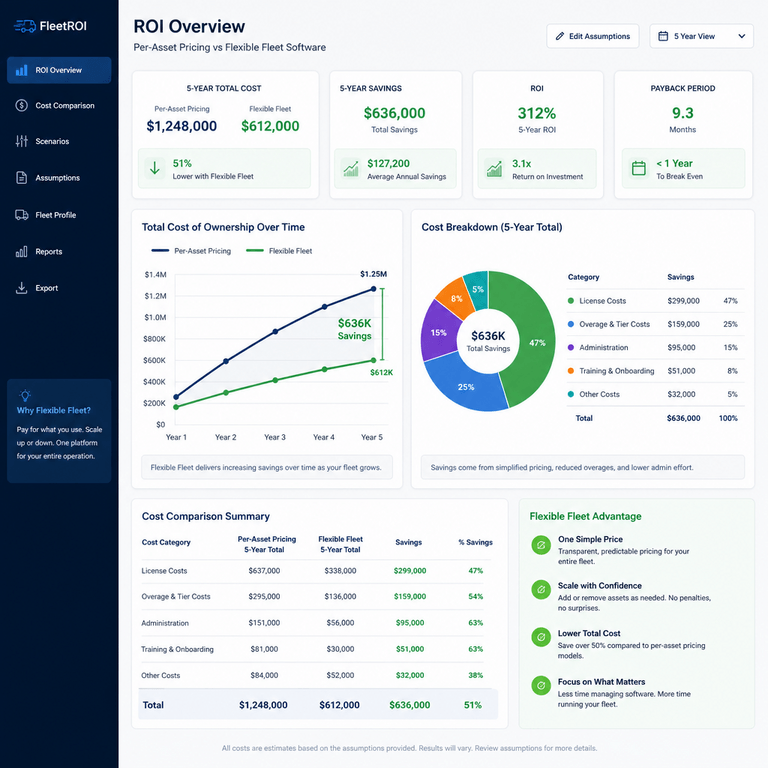
The ROI question for a mixed construction fleet is not "which software has the lowest sticker price" — it's how many of your tracked assets are actually generating enough activity or risk exposure to justify a full per-unit license, and what happens to your total cost as your asset count grows independently of your revenue.
Take a construction company running 20 trucks, 50 trailers, and 20 pieces of heavy equipment — 90 trackable assets total. Under a per-asset pricing model, the monthly software cost is a simple multiplication: total monthly cost = number of tracked assets × price per asset. If a vendor's published per-asset rate falls in the range typically seen for fleet inspection and maintenance platforms — for illustration, a hypothetical $12 to $18 per asset per month — that 90-asset fleet lands somewhere between roughly $1,080 and $1,620 per month, or $12,960 to $19,440 per year, purely from asset count. (These figures are illustrative math, not a quote from any vendor; always confirm current published pricing directly with Fleetio or Whip Around before budgeting.)
Now separate that fleet by utilization. If 20 trucks are in daily use, but only 30 of the 50 trailers move regularly and 8 of the 20 equipment units are genuinely active in any given month, the fleet has roughly 58 "high-value" assets and 32 assets that are seasonal, backup, or intermittently used. Under per-asset billing, all 90 cost the same. Under a flexible model that prices the platform rather than penalizing every unit added, a fleet manager can track every asset — including the 32 low-utilization ones — without the bill scaling in lockstep with asset count.
The financial comparison has several components beyond the raw license math:
- Monthly software cost. Per-asset models scale directly with total asset count; flexible subscription models decouple cost growth from every trailer or generator a fleet adds.
- Inactive asset cost. Per-asset models charge full price for assets used a handful of days per year; a flexible model removes the incentive to leave low-utilization assets untracked.
- Administrative savings. Managing license additions and removals as equipment moves between projects, storage, and disposal consumes administrative time under per-asset billing that a flat model avoids.
- Inspection efficiency. When cost isn't a barrier to adding an asset, fleets are more likely to track everything consistently — improving the completeness of the compliance record.
- Maintenance visibility. A complete asset roster in one system, rather than a subset chosen to control license cost, gives maintenance managers visibility into the whole fleet's condition, not just the actively billed portion.
- Operational benefits. Comprehensive tracking reduces the chance that a seasonal generator or spare trailer becomes the asset nobody inspected before it was needed on short notice.
The exercise worth running is not comparing vendor A's list price to vendor B's list price — it's counting your own fleet's active-versus-idle asset ratio and multiplying it against each vendor's published per-asset rate to see how the totals diverge as your equipment count grows independent of your revenue-producing fleet.
Mixed Fleet Software Evaluation Checklist
Before signing a contract priced per asset, work through these ten questions against your own fleet's asset mix:
- Does pricing match active asset usage, or does it charge the same rate regardless of how often an asset moves?
- Can inactive assets be managed efficiently without either paying full price or leaving them untracked?
- Can inspection forms be customized by asset type, rather than forcing every unit through one generic template?
- Does it support heavy equipment — hydraulics, attachments, tracks — not just on-road vehicle categories?
- Does it support trailers as a distinct asset category with appropriate inspection items?
- Can technicians verify repairs digitally, closing the loop between a reported defect and a completed fix?
- Are records centralized in one searchable system rather than split across paper files and spreadsheets?
- Does it support compliance documentation that satisfies DOT, OSHA, or insurance audit requests?
- Does it scale with projects — adding and removing assets as equipment moves between job sites and storage — without punitive cost changes?
- Can managers calculate ROI using their fleet's actual asset mix, rather than a vendor's best-case example?

Mixed Asset Software Cost Estimator & Evaluation Matrix
Want to run this math against your own fleet? The Mixed Asset Software Cost Estimator & Evaluation Matrix walks through your active-vs-idle asset ratio, applies published per-asset rates, and scores each vendor against the ten questions above.
Request the EstimatorDelivered by email. No credit card required.
Frequently Asked Questions
Do construction companies need fleet software for trailers?
Yes, if those trailers require inspection, maintenance tracking, or compliance documentation. Trailers are still liability-bearing assets — a trailer with worn brakes, damaged lights, or a failing coupling device creates the same safety and compliance exposure as a powered vehicle, even though it doesn't drive itself. The question isn't whether to track trailers, but whether the pricing model makes tracking every trailer, including low-utilization ones, financially sensible.
Does Fleetio charge per asset?
Fleetio publishes tiered pricing on its website that scales with the number of assets tracked in the platform. Exact current rates and tier structures should be confirmed directly on Fleetio's official pricing page, since published pricing changes over time.
Is Whip Around suitable for construction fleets?
Whip Around is well suited to fleets whose top priority is digital inspection compliance and defect tracking, and its customizable forms can be adapted for construction equipment categories. Like Fleetio, its published pricing model is per asset, so construction fleets with a significant share of seasonal or low-utilization equipment should factor that into a total cost comparison rather than evaluating features alone.
What is the best fleet management software for mixed assets?
The best choice depends on your asset mix and priorities. Fleets with a large in-house shop and mostly daily-use vehicles often get strong value from Fleetio's maintenance management depth. Fleets prioritizing inspection compliance often do well with Whip Around. Fleets with a substantial share of trailers, seasonal equipment, and backup assets — where per-asset billing inflates costs disproportionately to usage — should specifically evaluate platforms like pti4you.com that are built around flexible, mixed-asset pricing.
How should construction companies track inactive equipment?
Inactive equipment should stay in the same inspection and maintenance system as active assets, not be dropped from tracking to save on license costs. The safest approach is choosing a pricing model that doesn't penalize comprehensive tracking, then maintaining a full inspection and maintenance record on every asset — including generators, spare trailers, and off-season equipment — so nothing re-enters service without a documented, current inspection.
Can one inspection app manage trucks and heavy equipment?
Yes, provided the platform supports fully customizable inspection templates by asset category. A single app can absolutely handle a DOT-compliant DVIR for a truck and a hydraulics-and-attachment checklist for an excavator — the requirement is that the templates themselves differ, not that fleets need separate software for each asset type.
What is a ghost asset in fleet management?
A ghost asset, in this context, is a tracked unit — a trailer, generator, or piece of equipment — that sits idle or is used rarely but still incurs a full software license cost under per-asset pricing. The term describes assets that contribute cost without corresponding operational or revenue activity, inflating the effective per-unit cost of the software relative to what it delivers.
How can construction companies reduce fleet software costs?
Start by calculating your fleet's actual active-to-idle asset ratio rather than comparing vendor list prices directly. Fleets with a high share of seasonal, backup, or intermittently used assets should specifically evaluate platforms with pricing models that don't scale linearly with every asset added, since that is where per-asset billing creates the largest gap between cost and delivered value.
The Bottom Line
Fleetio and Whip Around are both legitimate, capable platforms, and per-asset pricing is not a hidden trick — it's published, transparent, and reasonable for fleets that are mostly powered vehicles in daily use. The trap only appears when a fleet's asset mix doesn't match that assumption, which describes most construction, landscaping, utility, and heavy-equipment operations running a blend of trucks, trailers, and project-based equipment.
Before renewing or signing a fleet software contract, run your own numbers: count your active assets, count your seasonal and backup assets, and multiply each vendor's published per-asset rate against your real fleet composition — not a vendor's best-case example fleet.
Future-proof your mixed fleet. Build your custom mixed fleet estimate with pti4you.com and see what a pricing model built for trucks, trailers, and heavy equipment together — instead of billed unit by unit — actually costs against your current software.
Stop Paying Full Price for Idle Equipment
See how pti4you.com handles trucks, trailers, and heavy equipment inspections on one flexible platform — without penalizing you for tracking every asset you own.
Start your 15-day free trial today. No credit card required.
Book a Demo of pti4you.comZero setup fees. Zero hardware. Built for 5–500 asset mixed fleets.
Official Sources and Further Reading
- eCFR — 49 CFR Part 396: Inspection, Repair, and Maintenance
- OSHA — 29 CFR 1926 Subpart O: Motor Vehicles, Mechanized Equipment, and Marine Operations
- Fleetio — Official Pricing Page
- Whip Around — Official Pricing Page
- G2 — Fleet Management Software Category
- Capterra — Fleet Management Software Category
This article compares publicly available vendor information as of August 22, 2026. Pricing, features, and tier structures for third-party products change over time; readers should confirm current details directly with each vendor before making a purchasing decision.